Spongy Moth
Possible DIY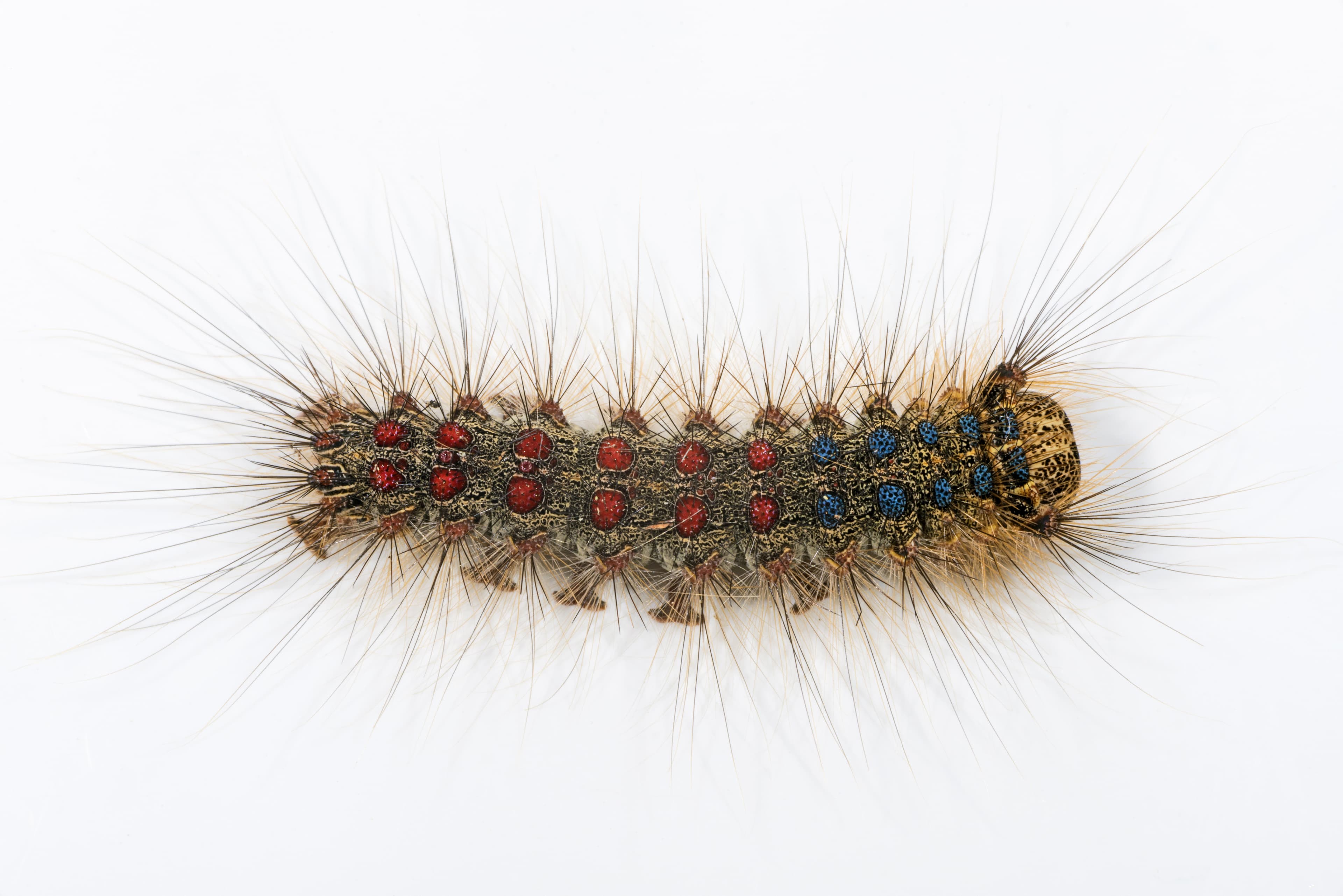
Identification
An invasive moth whose caterpillars can defoliate large numbers of hardwood trees during outbreak years; egg masses are tan, fuzzy, and found on tree trunks and outdoor surfaces.
Can I DIY this?
Possible DIYDIY is doable — with the right approach.
Minor cases respond well to DIY treatment, but this pest can get away from you. Follow the guide closely, and if you're still seeing activity after a full treatment cycle, it's time to bring in a pro.
Recommended products
Syngenta Demand CS Insecticide, 8ozBarrier band on trunks for crawling caterpillarsSome links may be affiliate links. Buggsy may earn a commission at no extra cost to you. Always follow the product label.
- Look for the fuzzy, tan egg masses on tree trunks and outdoor surfaces — that's usually how an infestation is first noticed.
- Scrape egg masses into soapy water to destroy them before they hatch, if caught early enough in the season.
- For active caterpillar feeding, a targeted insecticide labeled for caterpillars can be applied directly to affected trees.
- Because this pest mainly affects landscape trees rather than the structure itself, treatment is usually about protecting specific valuable trees rather than the whole property.
- In outbreak years, consult a certified arborist if high-value trees are being defoliated — repeated years of heavy feeding can kill a tree.
Wear long pants, a long-sleeved shirt, closed-toe shoes with socks, chemical-resistant gloves, and goggles. Add a respirator if the label calls for it or ventilation is poor.