House Centipede
Easy DIY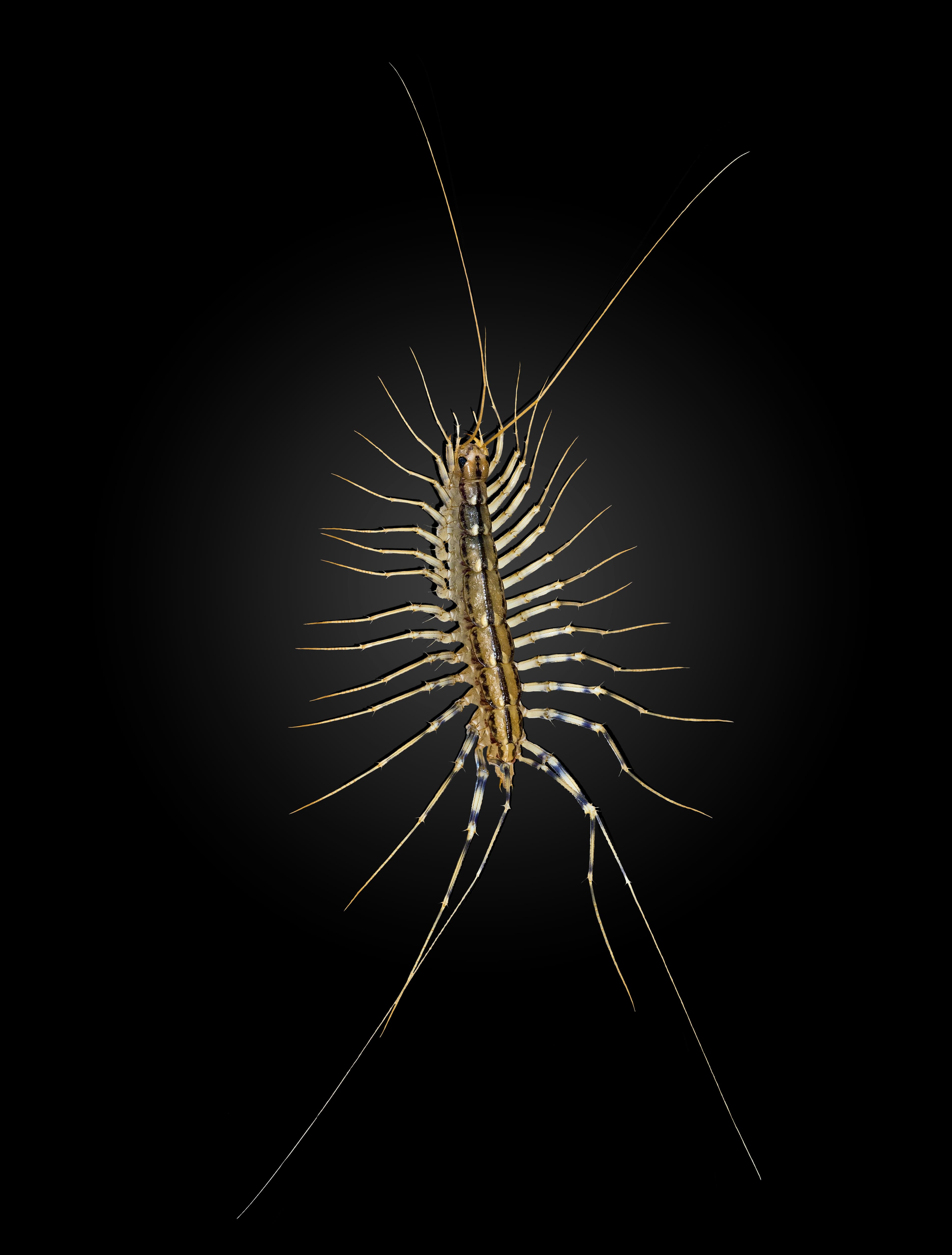
Identification
Fast-moving, long-legged arthropods with a yellowish-gray banded body, found in damp areas like basements and bathrooms — actually beneficial predators of other household insects.
Can I DIY this?
Easy DIYYou can handle this one yourself.
With the right product and a little patience, most homeowners take care of this pest on their own. Follow the treatment guide, read the product label, and you're set.
Recommended products
Syngenta Demand CS Insecticide, 8ozExterior perimeter barrierControl Solutions Bifen L/P Insecticide Granules, 25 lbsYard & perimeter granulesSome links may be affiliate links. Buggsy may earn a commission at no extra cost to you. Always follow the product label.
- Confirm it's a house centipede (long legs, fast-moving, harmless) rather than something else — they're actually predators of other household bugs.
- Reduce moisture in basements and bathrooms where they thrive, since they're really following their prey (and prey needs damp conditions too).
- Reduce clutter in damp storage areas to remove hiding spots.
- Apply a residual insecticide as a perimeter and crack-and-crevice treatment if you'd rather not rely on them for natural pest control.
- Seal exterior gaps to reduce new entry.
Wear long pants, a long-sleeved shirt, closed-toe shoes with socks, chemical-resistant gloves, and goggles. Add a respirator if the label calls for it or ventilation is poor.