Fire Ant
Easy DIY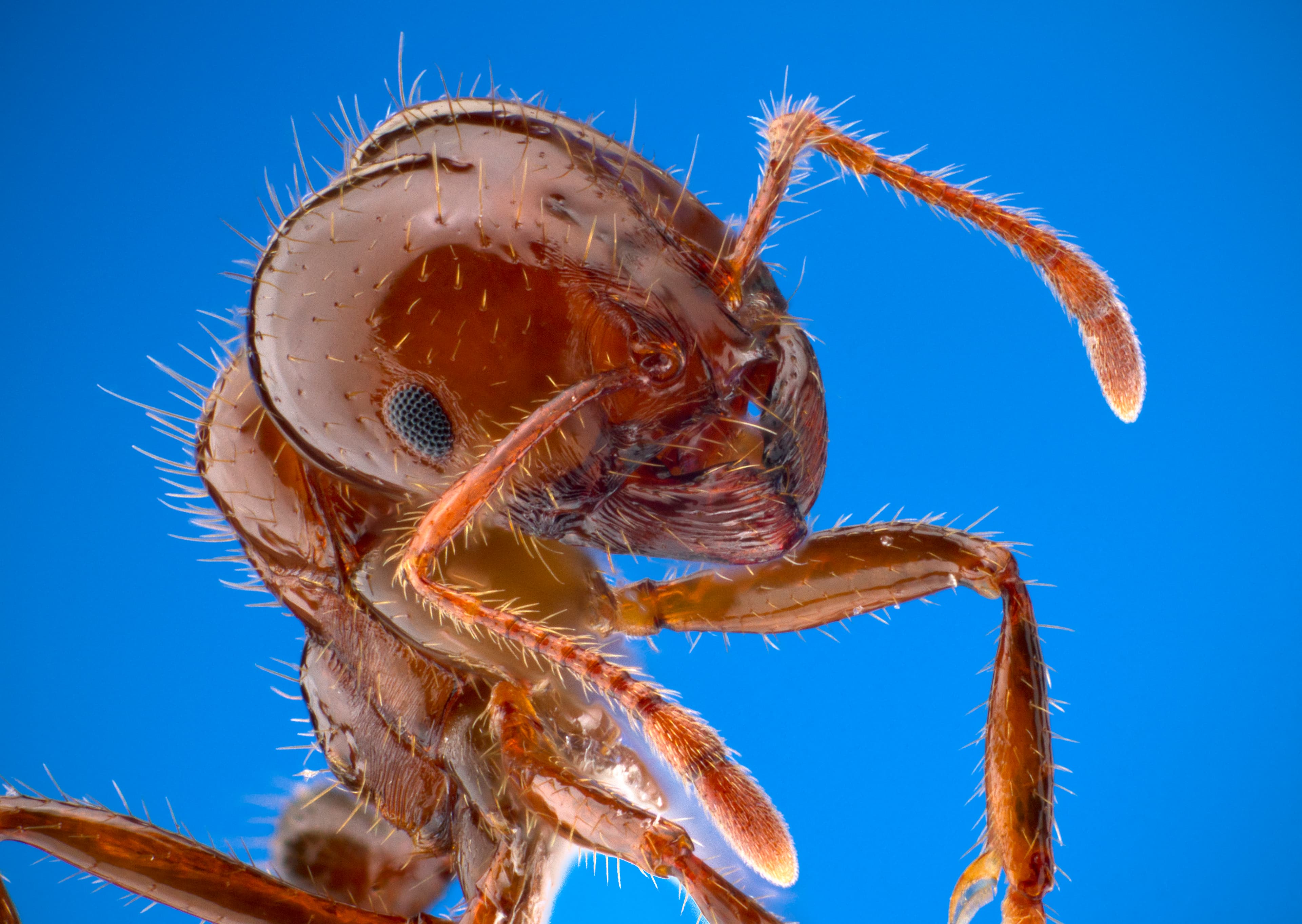
Identification
Reddish-brown ants, 1/8 to 1/4 inch, that build large dome-shaped dirt mounds in open, sunny areas. Their sting causes a painful, burning welt that can blister — a distinguishing behavioral trait when a mound is disturbed.
Can I DIY this?
Easy DIYYou can handle this one yourself.
With the right product and a little patience, most homeowners take care of this pest on their own. Follow the treatment guide, read the product label, and you're set.
Recommended products
Syngenta Advion Fire Ant Bait, 2 lbBroadcast the yard + treat individual moundsControl Solutions Bifen L/P Insecticide Granules, 25 lbsYard granulesSome links may be affiliate links. Buggsy may earn a commission at no extra cost to you. Always follow the product label.
- Locate active mounds — fire ants build dome-shaped dirt mounds in open, sunny areas and react fast (and painfully) when disturbed, so approach carefully.
- Broadcast a bait product over the lawn in the late afternoon or evening when ants are foraging — this lets workers carry it back to the queen(s), which is what actually kills the colony.
- For mounds you want gone faster, follow up with a direct mound drench or granular treatment, watering it in per the label so it reaches the underground galleries.
- Avoid disturbing the mound itself before treating — agitated colonies just relocate a few feet away and rebuild.
- Recheck treated areas after 1-2 weeks; new mounds nearby may mean satellite colonies you haven't reached yet.
Wear long pants, a long-sleeved shirt, closed-toe shoes with socks, chemical-resistant gloves, and goggles. Add a respirator if the label calls for it or ventilation is poor.