European Hornet
Pro Recommended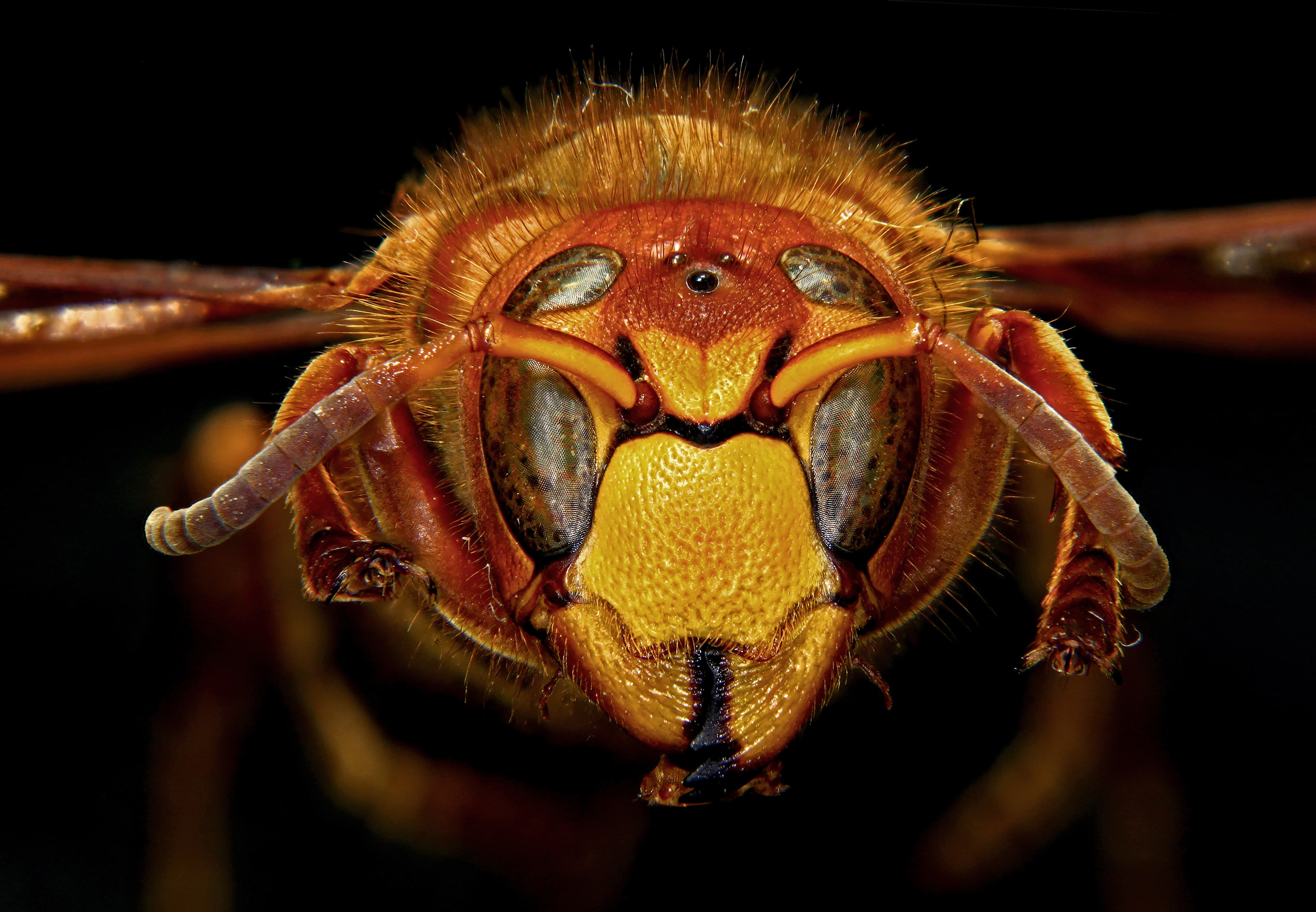
Identification
The largest true hornet in the US, brown and yellow with a reddish head, that nests in hollow trees or wall voids and is attracted to lights at night.
Can I DIY this?
Pro RecommendedHonest advice: most people should call a pro.
This pest is notoriously hard to eliminate with store-bought treatments alone, and failed attempts usually make the problem worse. DIY can knock down light activity, but for anything established we recommend a professional.
Find a trusted pest proRecommended products
Stryker 54 Contact Insect Aerosol, 15 ozDirect nest knockdownControl Solutions D-Fense Dust Insecticide, 1lbDust void & ground nestsSyngenta Demand CS Insecticide, 8ozTreat eaves, soffits & overhangsSome links may be affiliate links. Buggsy may earn a commission at no extra cost to you. Always follow the product label.
- Locate the nest during the day, but plan to treat at dusk or after dark when the colony is least active and everyone's home.
- Have an exit route planned before you start, and keep your distance from the nest opening.
- For an exposed paper nest, apply an aerosol or mixed liquid insecticide directly into the entrance using a straw applicator, then back away immediately.
- For a ground-nesting colony (yellowjackets), treat the entrance in the evening with dust or liquid — don't cap or cover it until you've confirmed no more activity.
- If it's a honey bee colony, don't treat it — call a local beekeeper for a live removal since they're an important pollinator.
- Wait 24-48 hours, confirm there's no remaining activity, then remove the nest. Retreat after about two weeks if you still see activity.
Wear long pants, a long-sleeved shirt, closed-toe shoes with socks, chemical-resistant gloves, and goggles. Add a respirator if the label calls for it or ventilation is poor.. For hard-to-reach or large nests, consider a full bee suit or hiring it out.