Eastern Subterranean Termite
Pro Required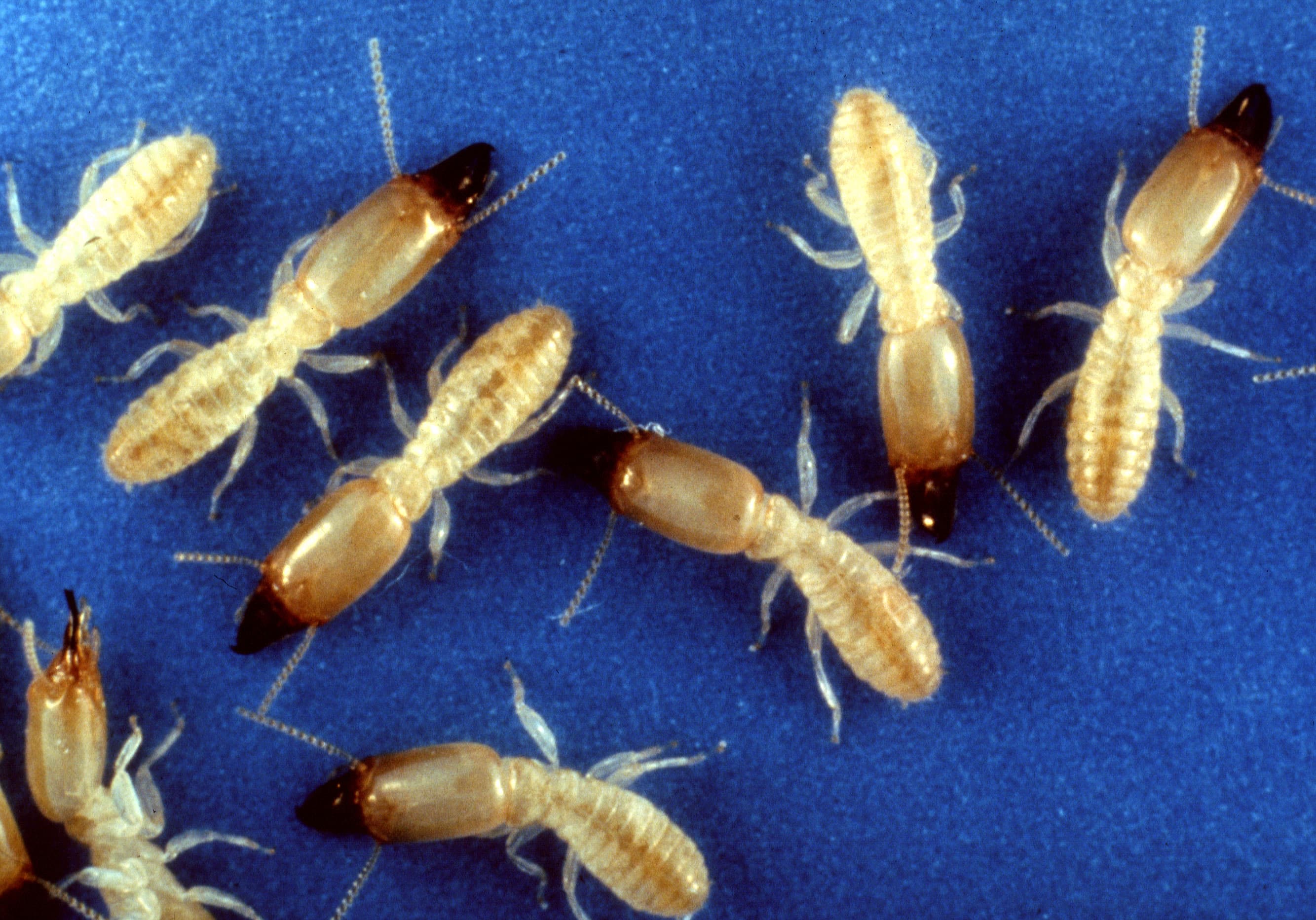
Identification
Cream-colored workers that live in underground colonies and build visible mud tubes to travel between soil and wood. Winged swarmers emerging in spring are often the first visible sign of infestation.
Can I DIY this?
Pro RequiredThis is not a DIY job.
Because of the safety risk, property damage, or specialized equipment involved, this pest should be handled by a licensed professional. We'd rather tell you that straight than sell you a product that won't fix it.
Find a trusted pest proRecommended products
Trelona ATBS Annual Bait StationsMonitoring & bait stations around the structureTaurus SC Termiticide/Insecticide, 20 ozTrench/spot treatment per label — pro strongly recommendedSome links may be affiliate links. Buggsy may earn a commission at no extra cost to you. Always follow the product label.
- Confirm active termite activity — look for mud tubes along the foundation, discarded wings, or damaged wood that sounds hollow when tapped.
- Where galleries are accessible, drill into the void or wood and treat directly with a non-repellent termiticide.
- Apply an exterior soil barrier treatment along the foundation — trenching the soil, or drilling through slab/concrete where needed — following label mix rates.
- Give it time. Non-repellent products are designed to spread slowly through the colony; full elimination can take up to 90 days.
- A termite bait station system is a solid alternative or supplement to a liquid barrier.
- This is one of the few pests where we'd recommend at least a professional inspection — especially for crawl spaces, pier-and-beam foundations, or if you're unsure how far the damage extends.
Wear long pants, a long-sleeved shirt, closed-toe shoes with socks, chemical-resistant gloves, and goggles. Add a respirator if the label calls for it or ventilation is poor.