Drywood Termite
Pro Required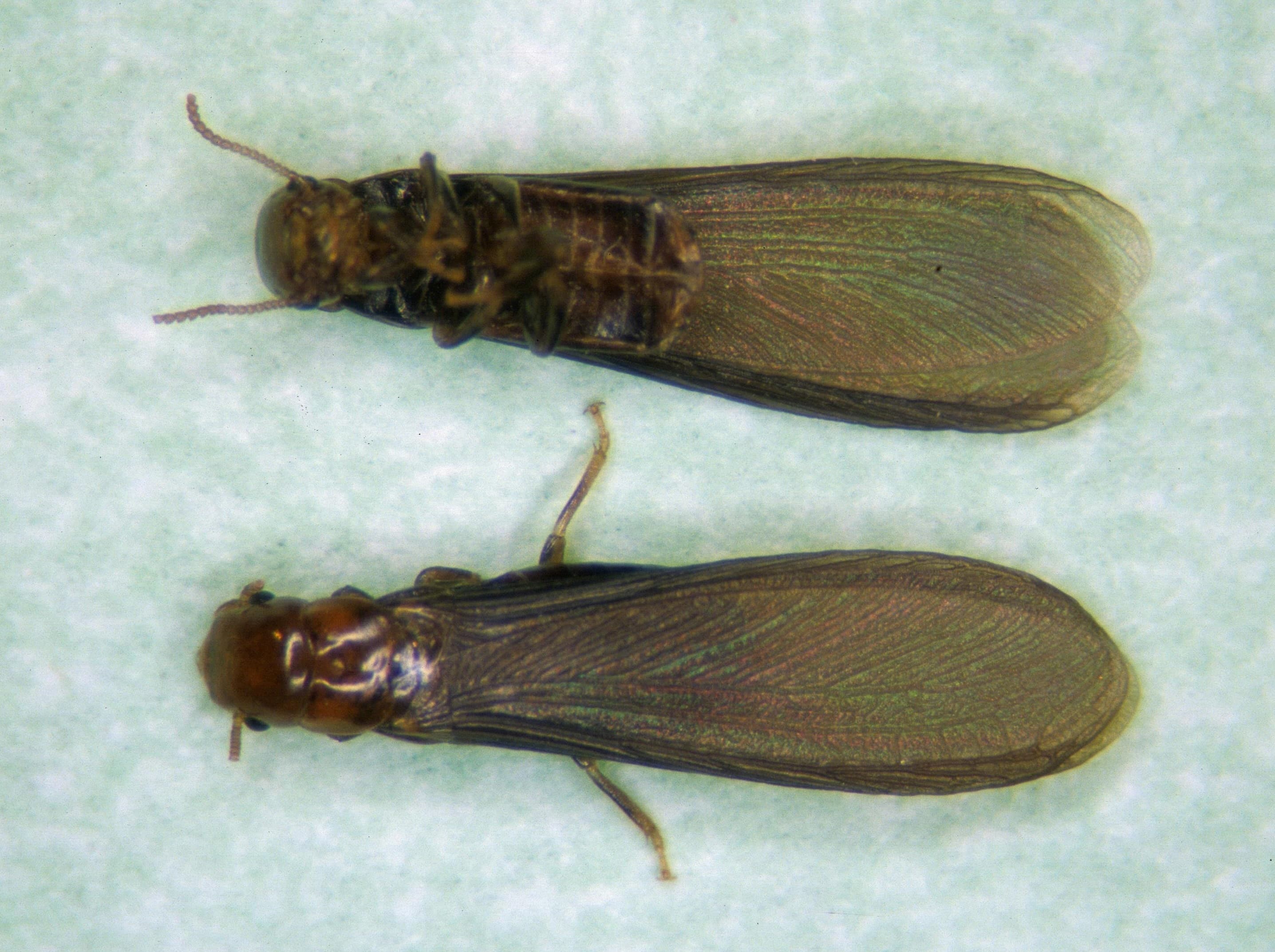
Identification
Termites that infest dry wood directly (no soil contact needed), leaving behind distinctive small, hard, pellet-shaped droppings (frass) near infested wood.
Can I DIY this?
Pro RequiredThis is not a DIY job.
Because of the safety risk, property damage, or specialized equipment involved, this pest should be handled by a licensed professional. We'd rather tell you that straight than sell you a product that won't fix it.
Find a trusted pest proRecommended products
Nibor-D Insecticide Foam with IGR (RTU)Borate treatment for exposed/infested woodSome links may be affiliate links. Buggsy may earn a commission at no extra cost to you. Always follow the product label.
- Confirm drywood termites specifically — look for small, hard, pellet-shaped droppings (frass) pushed out of tiny holes, since drywood termites infest dry wood directly with no soil contact needed.
- For a single isolated piece of infested wood, a localized treatment (drilling and injecting a borate or foam product into the gallery) can work.
- For infestations spread across multiple areas of the structure, whole-structure fumigation is usually needed — this requires a licensed pest control professional, not a DIY approach.
- Treat any exposed, untreated wood with a borate solution preventively to discourage new colonies from starting.
- Watch for fresh frass piles after treatment to confirm the colony is gone.
Wear long pants, a long-sleeved shirt, closed-toe shoes with socks, chemical-resistant gloves, and goggles. Add a respirator if the label calls for it or ventilation is poor.