Dog Flea
Possible DIY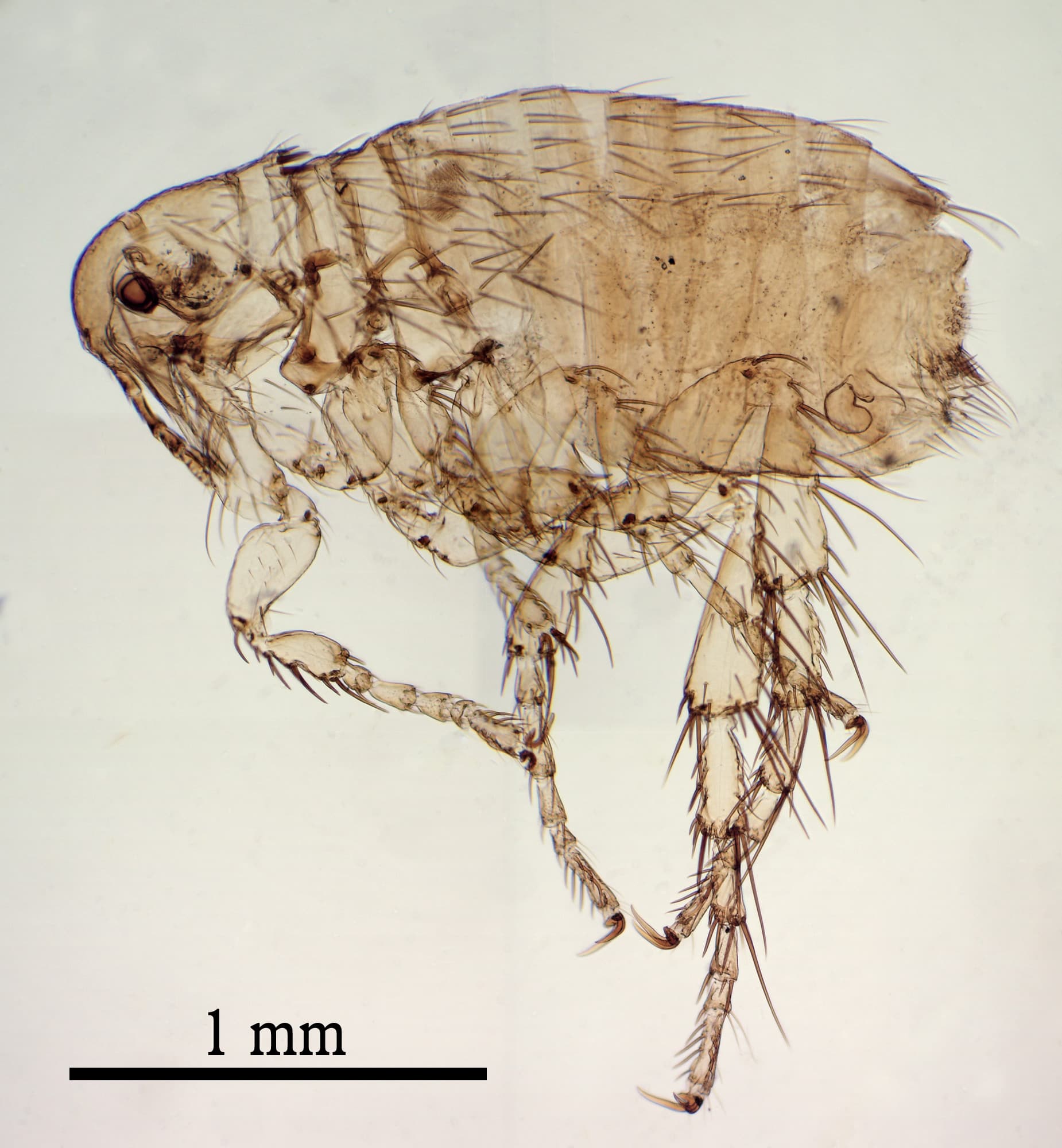
Identification
Nearly identical in appearance to the cat flea, this flea species also infests dogs and can bite humans, thriving in warm, humid conditions.
Can I DIY this?
Possible DIYDIY is doable — with the right approach.
Minor cases respond well to DIY treatment, but this pest can get away from you. Follow the guide closely, and if you're still seeing activity after a full treatment cycle, it's time to bring in a pro.
Recommended products
Control Solutions Tekko Pro IGR, 16 ozIGR — breaks the breeding cycle (use with adulticide)Syngenta Demand CS Insecticide, 8ozIndoor & outdoor adulticide sprayControl Solutions Bifen L/P Insecticide Granules, 25 lbsYard granulesSome links may be affiliate links. Buggsy may earn a commission at no extra cost to you. Always follow the product label.
- Treat pets, indoors, and the yard all at the same time — skipping any one of the three usually means the infestation just comes back.
- Vacuum thoroughly before treating, then every other day for about two weeks after — this stimulates pupae to emerge into the treated area where they'll actually die.
- Apply an adulticide plus IGR combination indoors to carpets, pet bedding, and baseboards.
- Outside, treat shaded and moist spots — under decks, dense shrubs — with the same combination; skip open sunny areas fleas can't survive in anyway.
- Mow the lawn about 24 hours after outdoor treatment.
- Reapply after 14 days. Expect full control to take anywhere from 2 to 8 weeks.
Wear long pants, a long-sleeved shirt, closed-toe shoes with socks, chemical-resistant gloves, and goggles. Add a respirator if the label calls for it or ventilation is poor.