Dampwood Termite
Pro Required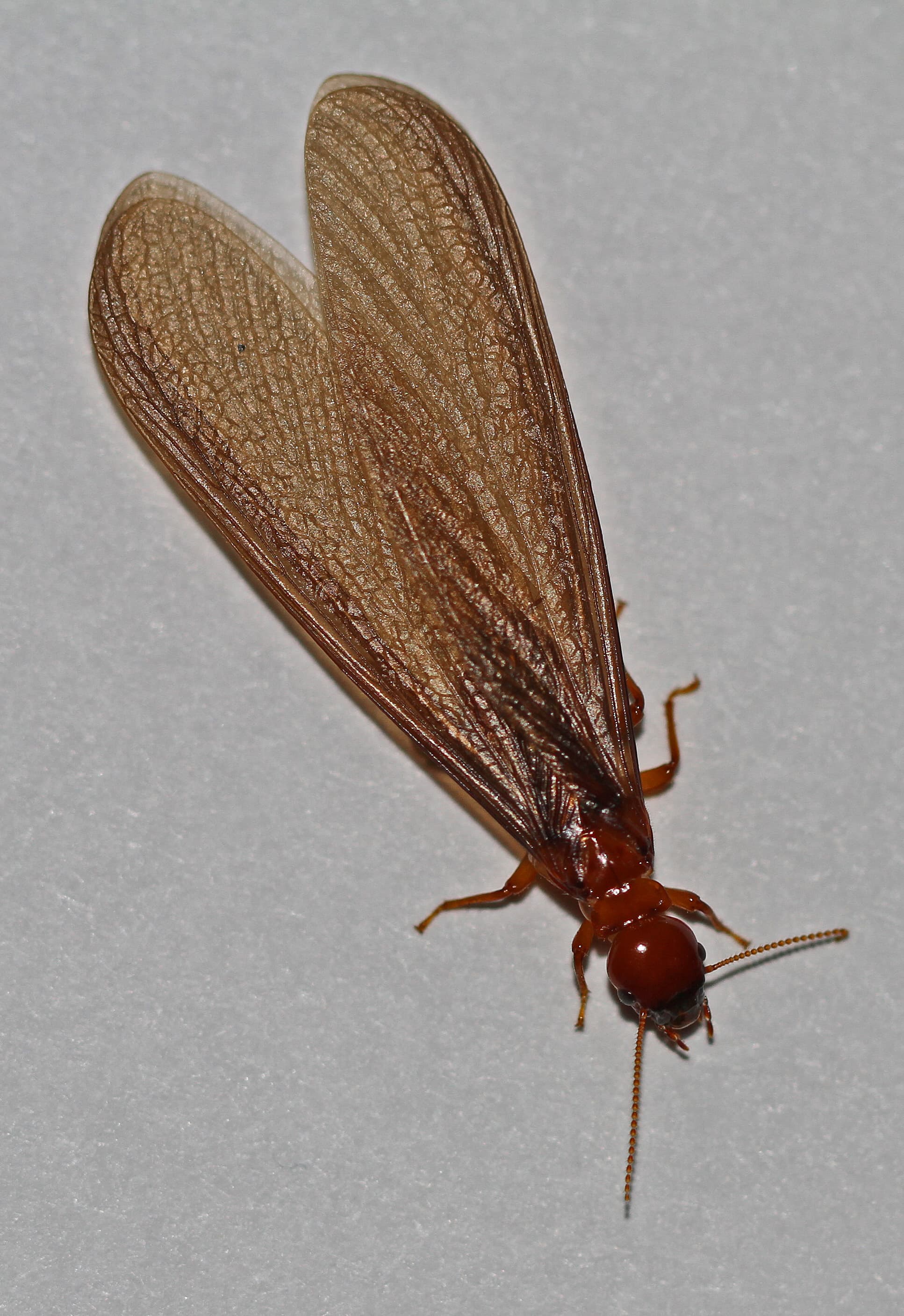
Identification
Larger termites that infest moisture-damaged or decaying wood, often signaling an underlying leak or moisture problem near the infestation site.
Can I DIY this?
Pro RequiredThis is not a DIY job.
Because of the safety risk, property damage, or specialized equipment involved, this pest should be handled by a licensed professional. We'd rather tell you that straight than sell you a product that won't fix it.
Find a trusted pest proRecommended products
Nibor-D Insecticide Foam with IGR (RTU)Borate treatment for exposed/infested woodSome links may be affiliate links. Buggsy may earn a commission at no extra cost to you. Always follow the product label.
- Confirm active termite activity — look for mud tubes along the foundation, discarded wings, or damaged wood that sounds hollow when tapped.
- Where galleries are accessible, drill into the void or wood and treat directly with a non-repellent termiticide.
- Apply an exterior soil barrier treatment along the foundation — trenching the soil, or drilling through slab/concrete where needed — following label mix rates.
- Give it time. Non-repellent products are designed to spread slowly through the colony; full elimination can take up to 90 days.
- A termite bait station system is a solid alternative or supplement to a liquid barrier.
- This is one of the few pests where we'd recommend at least a professional inspection — especially for crawl spaces, pier-and-beam foundations, or if you're unsure how far the damage extends.
Wear long pants, a long-sleeved shirt, closed-toe shoes with socks, chemical-resistant gloves, and goggles. Add a respirator if the label calls for it or ventilation is poor.