Cicada Killer Wasp
Easy DIY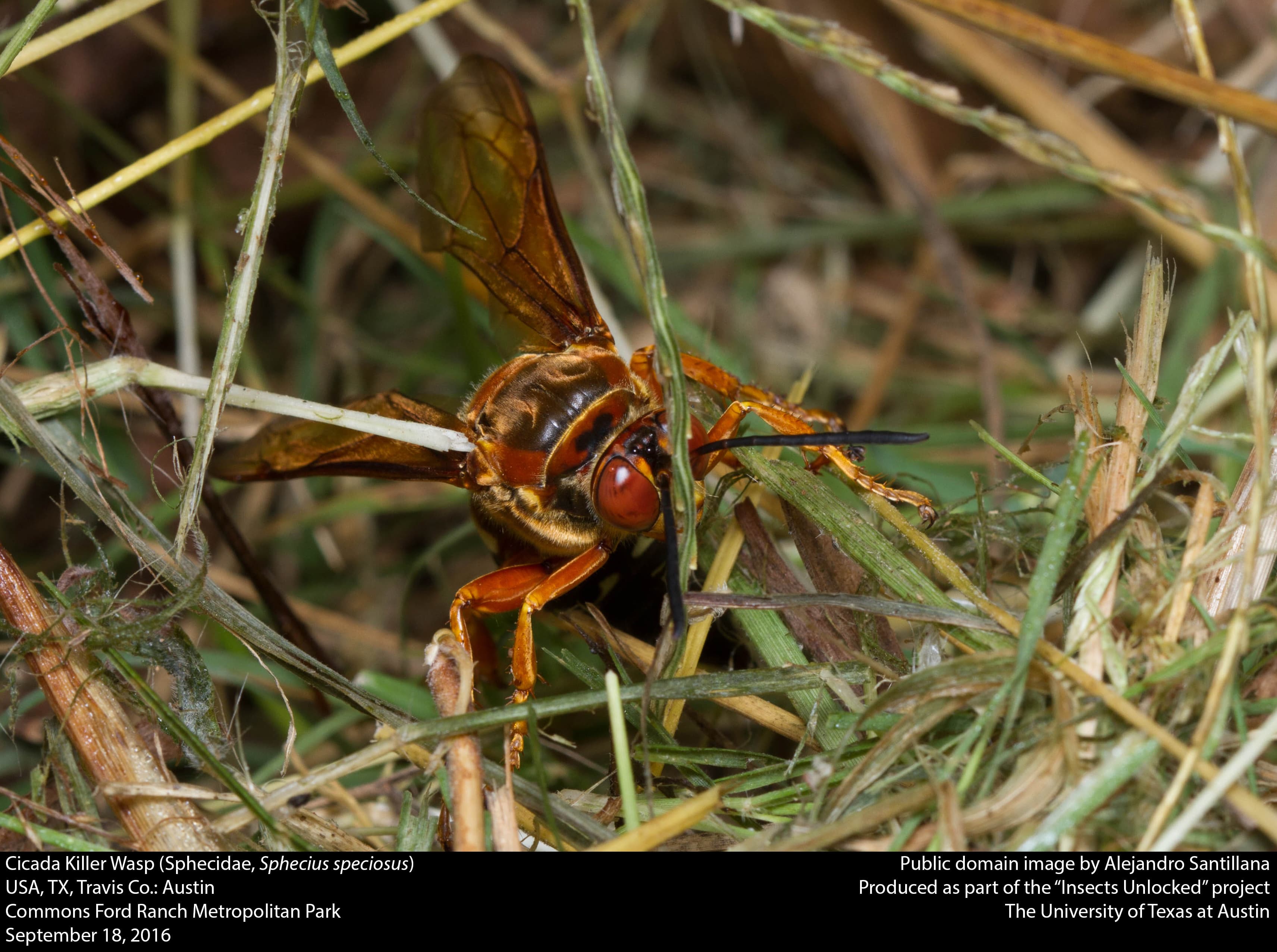
Identification
Very large solitary wasps, black and yellow, that dig burrows in sandy or bare soil and hunt cicadas to provision their nests. Males are territorial but harmless; females rarely sting unless handled.
Can I DIY this?
Easy DIYYou can handle this one yourself.
With the right product and a little patience, most homeowners take care of this pest on their own. Follow the treatment guide, read the product label, and you're set.
Recommended products
Control Solutions D-Fense Dust Insecticide, 1lbDust individual burrowsSyngenta Demand CS Insecticide, 8ozTreat burrow-prone bare-soil areasSome links may be affiliate links. Buggsy may earn a commission at no extra cost to you. Always follow the product label.
- Locate the nest during the day, but plan to treat at dusk or after dark when the colony is least active and everyone's home.
- Have an exit route planned before you start, and keep your distance from the nest opening.
- For an exposed paper nest, apply an aerosol or mixed liquid insecticide directly into the entrance using a straw applicator, then back away immediately.
- For a ground-nesting colony (yellowjackets), treat the entrance in the evening with dust or liquid — don't cap or cover it until you've confirmed no more activity.
- If it's a honey bee colony, don't treat it — call a local beekeeper for a live removal since they're an important pollinator.
- Wait 24-48 hours, confirm there's no remaining activity, then remove the nest. Retreat after about two weeks if you still see activity.
Wear long pants, a long-sleeved shirt, closed-toe shoes with socks, chemical-resistant gloves, and goggles. Add a respirator if the label calls for it or ventilation is poor.. For hard-to-reach or large nests, consider a full bee suit or hiring it out.