Bed Bug
Pro Recommended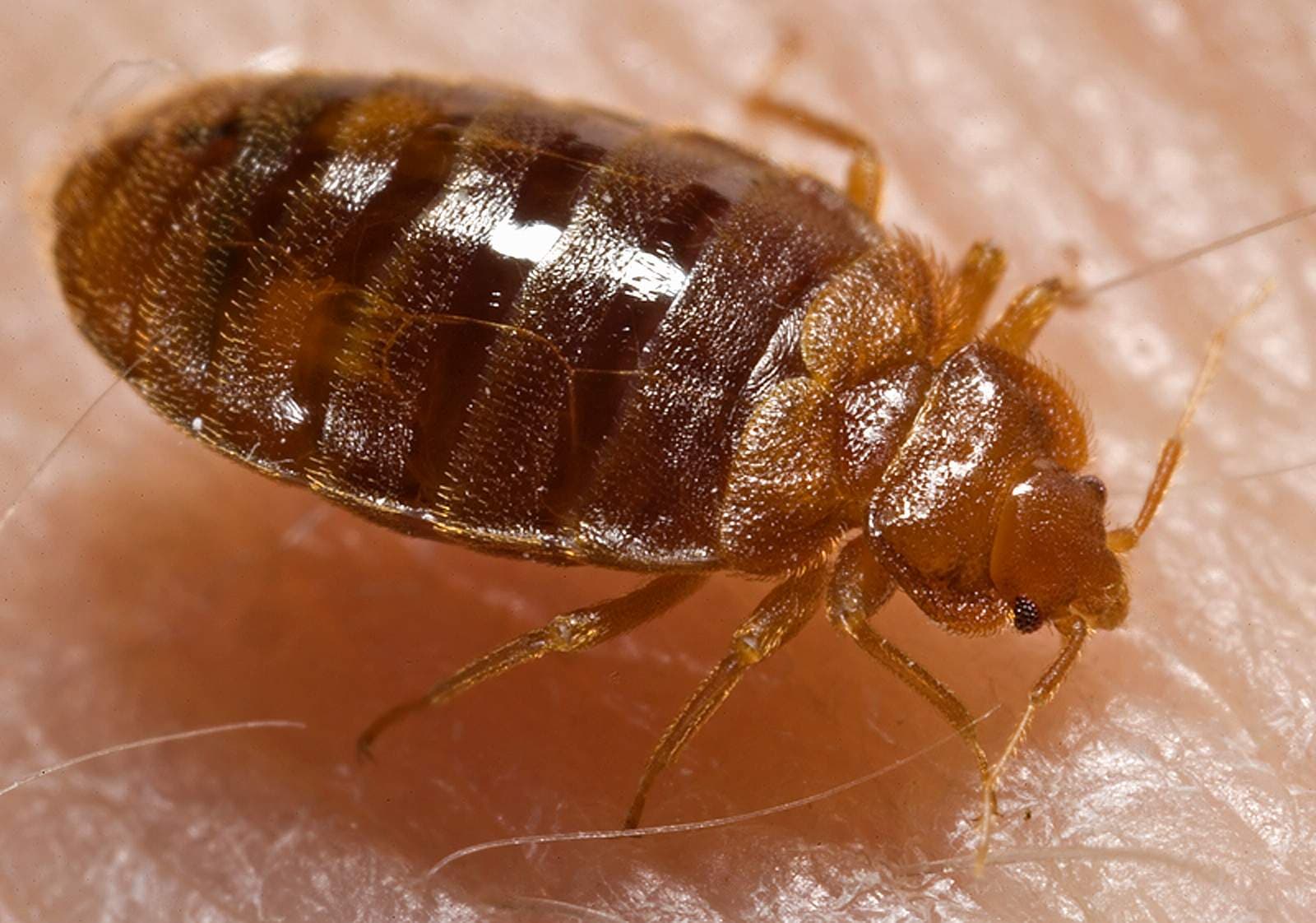
Identification
Small, flat, reddish-brown insects that hide in mattress seams, box springs, and furniture crevices, feeding on human blood at night and leaving itchy bite marks in a line or cluster.
Can I DIY this?
Pro RecommendedHonest advice: most people should call a pro.
This pest is notoriously hard to eliminate with store-bought treatments alone, and failed attempts usually make the problem worse. DIY can knock down light activity, but for anything established we recommend a professional.
Find a trusted pest proRecommended products
MGK Crossfire Bed Bug Concentrate, 13ozTreat seams, frames & cracks per labelRockwell CimeXa Insecticide Dust, 2 x 4 ozDust outlets, voids & frame jointsControl Solutions Tekko Pro IGR, 16 ozIGR — breaks the breeding cycleSome links may be affiliate links. Buggsy may earn a commission at no extra cost to you. Always follow the product label.
- Inspect mattress seams, bed frame joints, and nearby furniture for live bugs, shed skins, or small blood spots.
- Wash all bedding and clothing on high heat (over 120°F) — heat alone kills bed bugs. Bag anything you can't treat right away.
- Treat the mattress first: aerosol on seams and tufts, dust in corners, and optionally steam, then encase the mattress and box spring so anything left inside can't get out or back in.
- Treat the room next — baseboards, furniture legs and joints, outlets, and bed frame voids with liquid and dust insecticide. Don't broadcast-spray open floors or carpet; it doesn't help and wastes product.
- Repeat the full routine (except the encased mattress) every 7-10 days until there are no more bites, live bugs, or fresh blood spots. A full infestation can take 7-8 weeks of repeat treatment to fully clear.
Wear long pants, a long-sleeved shirt, closed-toe shoes with socks, chemical-resistant gloves, and goggles. Add a respirator if the label calls for it or ventilation is poor.