Bat
Pro Required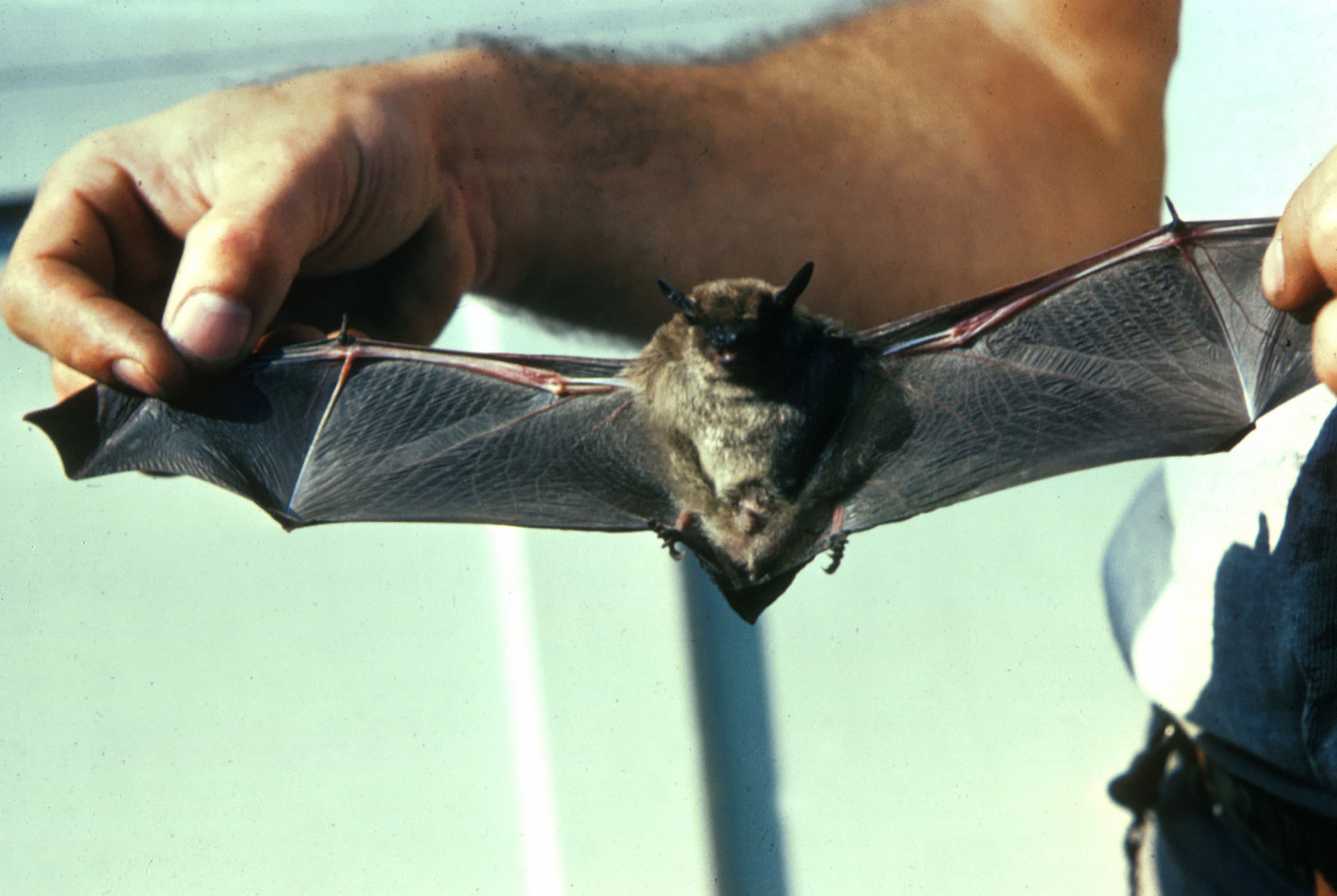
Identification
Small flying mammals that roost in attics, chimneys, and wall voids in colonies, entering through gaps as small as 3/8 inch. Exclusion work is typically timed outside maternity season to avoid trapping pups.
Can I DIY this?
Pro RequiredThis is not a DIY job.
Because of the safety risk, property damage, or specialized equipment involved, this pest should be handled by a licensed professional. We'd rather tell you that straight than sell you a product that won't fix it.
Find a trusted pest pro- Find the entry point, den, or burrow the animal is using.
- Before sealing anything, confirm there aren't young inside — many species (bats especially) are protected during certain seasons, and trapping a parent away from dependent young creates a bigger problem.
- Install a one-way exclusion door at the main entry so the animal can leave but not get back in, and seal every other potential opening first.
- Remove what's attracting them — secure garbage cans, pet food, bird feeders, and compost.
- For burrowing animals, vibrating repellent stakes can help; live trapping is an option too, but check your local regulations on trapping and relocating wildlife first.
- For anything that can carry rabies (raccoons, skunks, bats) or is legally protected, it's worth calling a licensed wildlife control operator rather than handling it yourself.
- Once the animal is confirmed out, permanently seal the entry point so it — or something else — doesn't move back in.
Wear long pants, a long-sleeved shirt, closed-toe shoes with socks, chemical-resistant gloves, and goggles. Add a respirator if the label calls for it or ventilation is poor.